


Published July 21, 2026
Understanding Damage Waivers in the Rental Industry
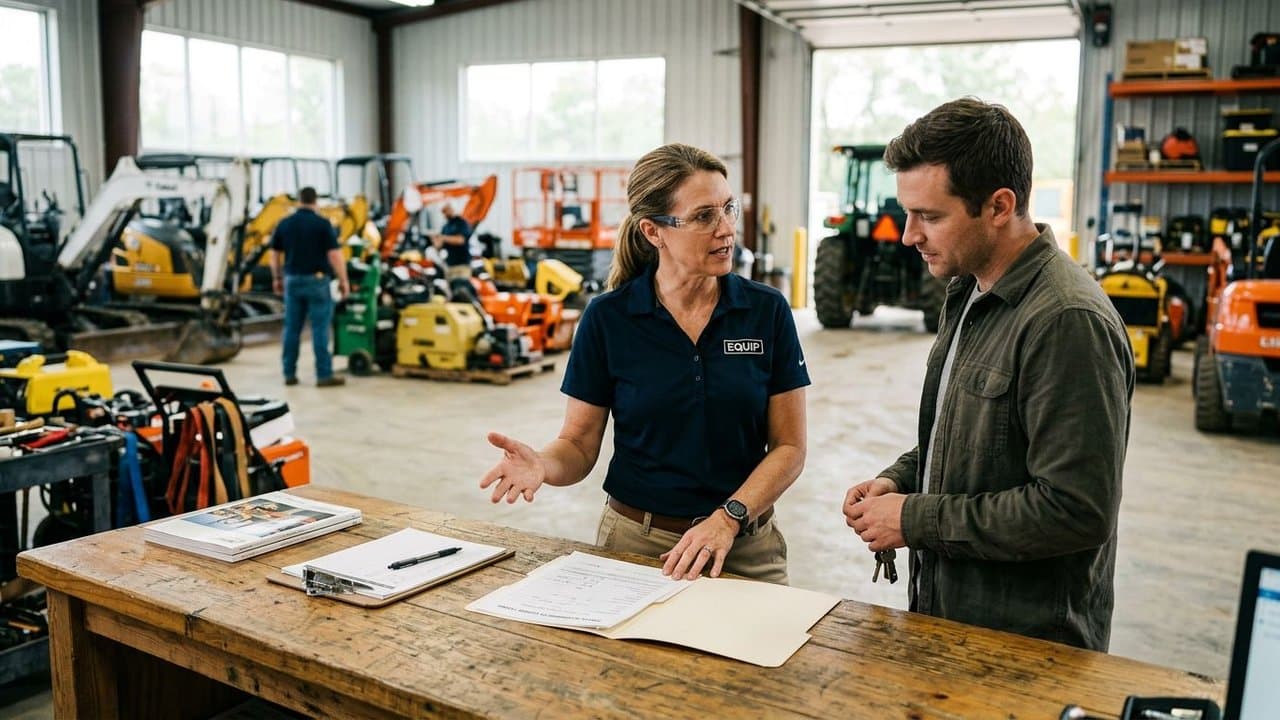
Damage waivers are an important aspect of the rental business, providing a layer of protection for both the operator and the customer. At its core, a damage waiver allows customers to reduce or eliminate their financial responsibility for damages that occur while using rented equipment, tools, or vehicles. This strategy not only safeguards your assets but can also enhance customer trust and satisfaction.
When implementing a damage waiver, it is crucial to communicate its purpose clearly to customers. Many renters may not fully grasp the benefits of a damage waiver, viewing it as an additional expense rather than a protective measure. To ensure that your customers appreciate the value, consider educating them about potential risks associated with rental equipment and the financial implications of damages.
Engaging customers in this dialogue can foster a sense of partnership and reassure them that you prioritise their experience. This approach is particularly relevant in the equipment rental industry, where the stakes can be high, and the cost of damages can significantly impact your bottom line. By positioning a damage waiver as a safeguard, you can encourage more customers to opt-in.
It's also important to consider the legal aspects involved in drafting a comprehensive damage waiver. Consulting legal experts will help ensure that your waiver is enforceable and clearly outlines the terms and conditions. This will not only protect your business but also provide clarity to your customers, potentially reducing disputes in the event of damages.
Crafting an Effective Damage Waiver Policy
An effective damage waiver policy should be comprehensive yet straightforward. Begin by defining the scope of the waiver. Specify the types of damages that are covered, as well as any exclusions. For example, will the waiver cover theft, loss, or only accidental damage? Clear definitions will prevent confusion and miscommunication.
Another key aspect is determining the cost of the damage waiver. Pricing should reflect the level of risk associated with the equipment and the likelihood of damages occurring. It can also be beneficial to consider offering tiered pricing structures based on the value of the rental item. This flexibility can appeal to a broader range of customers, allowing them to choose a level of coverage that suits their needs.
While crafting your policy, take the time to integrate feedback from your team. Your staff interacts with customers daily and can provide insights into common concerns or misconceptions regarding damage waivers. Their input can help you refine your policy and improve communication strategies.
Moreover, consider using technology to streamline the process. Platforms like Renttix offer solutions that can simplify the management of waivers and other rental agreements. By integrating damage waivers into your rental management system, you can automate the process, ensuring that customers are presented with clear options and that all documentation is handled efficiently.
Communicating Your Damage Waiver Strategy to Customers
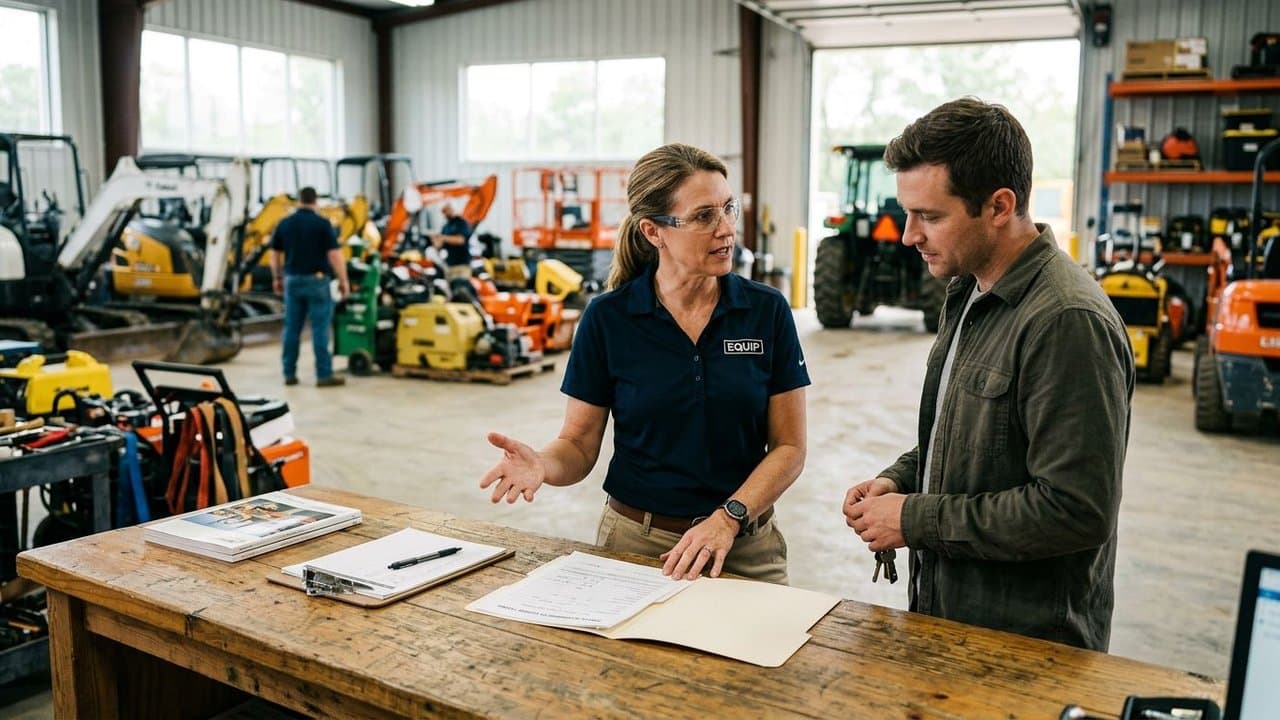
Effective communication is essential when introducing your damage waiver strategy to customers. Begin by training your staff to explain the benefits clearly. They should be equipped to answer questions and dispel myths surrounding damage waivers. Potential customers should understand that opting for a waiver can provide them peace of mind, knowing they will not face exorbitant costs in the event of accidental damage.
In addition to staff communication, consider using printed materials and digital platforms to convey information about your damage waiver policy. Flyers, brochures, and website content should all reflect a consistent message about the advantages of choosing a damage waiver. Using real-life scenarios can help illustrate how a waiver can protect customers from unexpected expenses.
Moreover, consider creating a dedicated section on your website that explains the damage waiver in detail. This can include FAQs, customer testimonials, and case studies that highlight the value of the waiver. Such resources can enhance customer understanding and increase the likelihood of opting for the waiver.
Remember, transparency is key. Customers appreciate honesty, and being upfront about potential risks and costs will build trust. By effectively communicating your damage waiver strategy, you not only safeguard your business but also enhance customer relationships.
Monitoring and Adjusting Your Damage Waiver Strategy
Once your damage waiver strategy is in place, the work is not done. Continuous monitoring is essential to ensure that the policy remains effective and aligned with your business goals. Regularly evaluate the number of customers opting for the waiver and assess the associated claims. If you notice a high number of claims, it may indicate a need to review the terms of your waiver or improve customer education.
Additionally, keep an eye on market trends and competitor strategies. The rental industry is ever-evolving, and staying informed can provide insights into adjusting your damage waiver policy. If competitors are offering more attractive terms, it may be time to rethink your approach.
Using data analytics can be particularly beneficial for monitoring the effectiveness of your waiver strategy. Platforms like Renttix offer advanced analytics tools that can help you gather insights into customer behaviour and preferences. By analysing this data, you can make informed decisions about adjustments to your waiver policy.
Moreover, consider soliciting feedback from customers who opted for the damage waiver. Their insights can be invaluable in identifying areas for improvement and understanding customer perceptions. This ongoing dialogue can help you refine your strategy, ensuring that it continues to meet the needs of your customers.
The Role of Technology in Managing Damage Waivers
As the rental industry embraces digital transformation, technology plays a significant role in managing damage waivers efficiently. An integrated rental management solution, such as Renttix, can streamline the entire process from drafting waivers to tracking them. By automating these tasks, you can reduce administrative burdens and focus on delivering exceptional customer service.
Moreover, technology can enhance customer engagement. Digital platforms allow you to present information about your damage waiver strategy in a user-friendly manner. Customers can access details online, making it easier for them to understand their options before making a rental decision.
Additionally, electronic signatures can simplify the waiver acceptance process. Customers can sign waivers digitally, ensuring compliance and reducing paperwork. This not only speeds up the rental process but also enhances the customer experience.
Finally, leveraging data analytics tools can provide insights into the effectiveness of your damage waiver strategy. By tracking customer behaviour and claims, you can adjust your policy and communication strategies to increase uptake and customer satisfaction.
Conclusion: Optimising Your Damage Waiver Strategy
Getting your damage waiver strategy right is crucial for the success of your rental business. By understanding the fundamentals, crafting a comprehensive policy, communicating effectively with customers, and embracing technology, you can create a waiver strategy that protects your assets and enhances customer satisfaction.
Remember that this is not a one-time effort but an ongoing process. Regularly review and adjust your strategy based on customer feedback and market trends. In doing so, you will not only safeguard your business but also build lasting relationships with your customers, ensuring their continued loyalty and trust.
Ultimately, a well-implemented damage waiver strategy can become a significant selling point for your rental business, setting you apart from competitors and driving growth.
Sources: HAE
Frequently Asked Questions
A damage waiver is a policy that allows customers to reduce or eliminate their financial responsibility for damages incurred while using rented equipment or vehicles. It provides peace of mind for renters, knowing they won't face high costs for accidental damages.
To effectively communicate your damage waiver policy, train your staff to explain its benefits clearly. Use printed materials and digital platforms to convey the information consistently, and consider creating a dedicated section on your website to educate customers.
When setting a damage waiver price, consider the level of risk associated with the equipment and the likelihood of damages. Offering tiered pricing based on the value of the rental item can also appeal to a wider range of customers.
Technology plays a crucial role in managing damage waivers by automating processes, allowing for electronic signatures, and providing data analytics tools to monitor the effectiveness of your policy. This can streamline operations and enhance the customer experience.
Explore Renttix
Ready to modernize your rental operations?
Payments + deposits enabled • Quick setup • No credit card trial